The Transformative Power of Performing Arts in Leadership
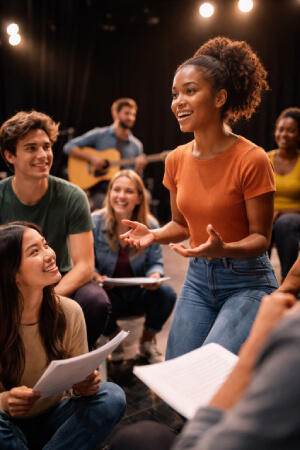
Leadership is more than a title or position; it is a practice that relies on self-awareness, adaptability, and the ability to inspire others. Performing arts cultivate these qualities in ways that traditional leadership training often cannot. When individuals perform or participate in collaborative arts projects, they face challenges that mirror real-world leadership situations: navigating uncertainty, making decisions under pressure, and motivating a group toward a shared goal.
Building Communication Skills
Effective leaders communicate clearly and persuasively. In the performing arts, communication is essential. Actors, musicians, and dancers must convey ideas, emotions, and narratives to audiences and fellow performers. This continuous practice develops verbal and non-verbal skills, active listening, and empathy, which are directly transferable to leadership contexts. Through rehearsal, feedback, and performance, participants refine their ability to articulate vision, provide constructive input, and respond to others thoughtfully.
Fostering Emotional Intelligence
Emotional intelligence, the ability to understand and manage your own emotions while recognizing and influencing the emotions of others, is central to effective leadership. Performing arts inherently require participants to explore a range of emotions and perspectives, helping them develop empathy, self-regulation, and social awareness. Leaders trained through these experiences are better equipped to navigate complex interpersonal dynamics, resolve conflicts, and inspire team cohesion.
Strengthening Community Through Collaborative Arts
Communities thrive when individuals engage in shared goals and experiences. The performing arts offer a natural platform for this engagement, creating spaces where people of different ages, backgrounds, and abilities can collaborate and connect. These shared artistic endeavors foster trust, mutual respect, and collective problem-solving, essential components of resilient communities.
Inclusive Participation and Representation
Arts programs often provide opportunities for underrepresented groups to have a voice. Community theater, local music ensembles, and dance troupes welcome participants regardless of experience or background. This inclusivity not only empowers individuals but also broadens the community’s understanding of diverse perspectives. Representation on stage or in performance projects fosters a sense of belonging, encouraging participants to contribute actively to broader social initiatives.
Encouraging Civic Engagement
Participating in community-based arts initiatives often extends beyond rehearsal spaces and theaters. Many programs incorporate public performances, workshops, and outreach activities that engage wider audiences. By connecting artistic expression with social issues, participants become more informed and active citizens. They learn to use creative platforms to address community challenges, advocate for change, and foster dialogue on pressing societal topics.
Skills Gained Through Performing Arts

The performing arts endow individuals with a wide range of experiential and collaborative skills. These are not exclusive to the performing arts; they extend to leadership, professional life, and everyday interactions. Through the arts people acquire essential development aspects like confidence, resilience, and adaptability with the capacity to overcome personal and organizational difficulties.
- Teamwork and Collaboration: Arts projects require individuals to work closely together and share responsibilities, as well as to cooperate and to compromise.
- Problem-Solving Skills: The creative process tends to face its share of obstacles at a stage; hence it induces a more vivid and flexible way of thinking.
- Public Speaking and Presentation: Experience of performing is conducive to the extinction of speech anxiety; improvements are felt across the board in improving audience-perception skills as well.
- Time Management and Discipline: The general functioning of practice and technical prowess cultivates consistency, focus, and fulfillment of their obligations well within a deadline.
Creativity and innovation are sparked on regular artistic practice and learning to think and overcome obstruction from conventional approaches.
Building Resilience and Confidence
Performing in front of an audience or participating in a collaborative production challenges participants to overcome fear and self-doubt. This builds resilience, self-confidence, and the ability to take calculated risks, qualities that strengthen leadership capabilities. Each performance or project becomes a milestone demonstrating personal growth and reinforcing a participant’s belief in their capacity to contribute meaningfully.
Enhancing Networking and Relationship-Building
Arts programs naturally foster connections between participants, mentors, and audiences. These networks create opportunities for collaboration, mentorship, and lifelong relationships. Strong networks within performing arts communities often translate to professional and civic opportunities, amplifying the impact of leadership and community-building initiatives beyond the stage.
Implementing Arts-Based Leadership Programs
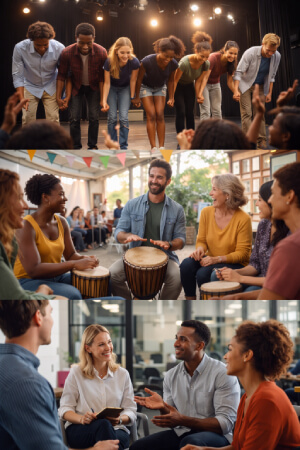
Organizations and communities seeking to develop leadership through the arts can implement structured programs that balance artistic practice with leadership development objectives. These programs often combine workshops, mentorship, and public performances to create an integrated learning environment.
School and Youth Programs
Introducing students to performing arts through school programs provides early exposure to leadership and community engagement. Youth theater, choir, or dance ensembles teach responsibility, collaboration, and creative problem-solving. Students learn to express themselves, respect others’ contributions, and take initiative, laying a foundation for future leadership roles.
Community and Organizational Initiatives
Local arts organizations, non-profits, and businesses can create programs that use performance projects to enhance community cohesion and professional development. Corporate leadership retreats, neighborhood arts projects, and public performances allow participants to practice leadership skills in inclusive, low-risk settings. These programs often result in stronger community ties and increased civic participation.
Measuring Impact and Long-Term Benefits
The impact of performing arts programs on leadership and community development is measurable. Studies indicate improvements in participants’ confidence, communication skills, and civic engagement. Communities hosting such programs often see increased social cohesion, higher participation in local initiatives, and a stronger sense of shared identity.
- Individual Growth: Enhanced leadership skills, emotional intelligence, and self-confidence.
- Community Benefits: Stronger networks, inclusivity, and collaborative problem-solving.
- Cultural Enrichment: Increased access to diverse artistic experiences fosters creativity and mutual understanding.
Evaluating Programs for Continuous Improvement
Organizations can track success through surveys, participant feedback, and observational metrics. Measuring outcomes ensures programs meet both personal development and community-building goals. Feedback loops allow organizers to adjust approaches, expand outreach, and maximize the social and leadership benefits of performing arts initiatives.
Long-Term Community Resilience
Communities engaged in arts-based leadership programs are better equipped to navigate challenges. The skills developed, collaboration, empathy, communication, and creative problem-solving, strengthen the community’s ability to address social issues, manage conflict, and support one another. Over time, these programs cultivate a culture of active participation, shared responsibility, and mutual respect.
A Stage for Leadership and Connection
The performing arts offer more than artistic expression, they are a powerful medium for cultivating leadership skills and strengthening community bonds. By participating in theater, music, dance, and other performance forms, individuals develop confidence, empathy, and communication abilities, while communities benefit from inclusivity, collaboration, and civic engagement. Integrating performing arts into leadership development strategies creates a cycle of personal growth and collective empowerment, demonstrating that creativity and community are inseparable in building a resilient, dynamic society.
Leadership is shaped by experience, insight, and understanding rather than age. It requires applying past lessons to inspire and guide others, crafting a vision that bridges generational gaps. Effective leaders listen actively, adapt swiftly, and lead with empathy, pic.twitter.com/2dZJhXSc1C
— Otenga🦅 (@JaeyDyddah) January 4, 2026
The arts—music, theater, drawing and painting—are powerful tools for making sense of the world. New studies are beginning to pull them back towards the center of the academic curriculum. pic.twitter.com/1emPrwuXeh
— edutopia (@edutopia) February 9, 2020